
Trading Card Production
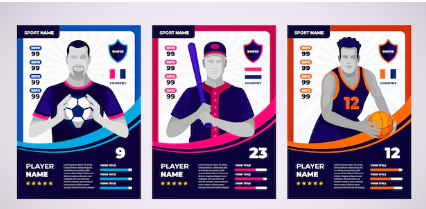
As ValueDocs India, a leading publishing house for sports trading cards since 2016, we’ve always been committed to transparency and quality. We believe that understanding the journey a card takes from a digital file to a physical collectible is crucial for every enthusiast. Today, we’re pulling back the curtain on the intricate and fascinating world of “Trading Card Production,” a complex process that combines art, technology, and precision to create the cards you love.
Phase 1: The Pre-Production and Design Stage
Every great trading card begins long before it is printed. This initial phase is a meticulous blend of creative vision and strategic planning.
- Concept and Theme Development: The first step is to establish the core theme of the card set. Is it a vintage-inspired collection? A modern set with holographic elements? A tribute to rookie players? The theme dictates every subsequent design and production decision. We spend months researching, brainstorming, and sketching out ideas to ensure the set is fresh, appealing, and thematically cohesive.
- Athlete and Image Acquisition: We work directly with professional leagues, players’ associations, and top-tier sports photographers to secure the rights to use high-resolution images of athletes. This is a critical step, as the quality of the source image directly impacts the final product. We meticulously select photographs that are not just aesthetically pleasing but also tell a story—capturing a moment of action, a powerful portrait, or a celebratory pose.
- Layout and Design: This is where the magic happens. Our design team uses industry-standard software like Adobe InDesign and Illustrator to create the card layouts. They meticulously place every element—the player’s name, team logo, stats, and special design effects. The focus here is on creating a balanced and visually striking layout that is both functional and beautiful. This phase also includes designing all the card variations, from base cards to parallels, inserts, and autograph cards.
- Data and Information Management: A card set requires an immense amount of data. We manage a comprehensive database containing every player’s name, stats, biographical information, and card number. This data is seamlessly integrated into the design layouts using a process called data merge, which automates the creation of hundreds of individual cards while maintaining perfect consistency.
Phase 2: The Printing and Production Stage
The finalized design files then get sent to our local print shop, where we see our digital designs on paper for the first time.
- The design files for print are more than just a pdf. While we do print complex pdf files, for our varied intricate print designs, we prepare files with multiple layers for different steps in the printing process.
- CMYK Printing: The base layer for cards is printed in color with the Common process color (Cyan, Magenta, Yellow, Black) layers, then adding imagery for each color in the base layer.
- Spot Colors, Metallics, and Varnish: These special finishes for items like team logos or a player’s name are added with the use of spot inks and metallics for each layer combined with the use of a plate, to ensure a striking finish. For the cards protection and to achieve certain desired finishes (gloss, matte, satin) a varnish or laminate is applied, then a laminate is also placed on top. For premium cards, we employ special techniques like spot UV varnish, which adds a glossy coating to the upper layer and appears in defined patterns for the raised effect.
- The Printing Process: Cards are printed on large commercial offset or digital presses. They are usually printed on thick cardstock in large sheets, with multiple cards to a sheet. Quality cardstock is important because it provides the card its distinctive texture and strength.
- Applying Special Finishes: After the base colors are printed, the sheets move to the next stage where special finishes are applied. This includes foil stamping, which uses a heated die to press a thin layer of metallic foil onto the card. This is also the stage where special effects like holographic or refractor finishes are applied.
- Die-Cutting and Shaping: Once all the layers are applied, the large printed sheets are sent through a die-cutting machine. A custom-made die—a sharp metal tool shaped like the final card—stamps out each individual card with incredible precision. This process also creates the rounded corners that are a signature of modern trading cards.
Phase 3: The Assembly and Quality Control Stage
The production process doesn’t conclude with a stack of cut cards. The last phase includes assembly, quality control, and the end of the line tasks.
- Sorting and Collation: Assembled packs require the cut cards to be sorted and organized. This collation of cards is a logistical balancing act to make sure all cards are evenly distributed. It ensures all chunky inserts, parallels, and signature cards are evenly scattered throughout the entire production run.
- Autograph and Relic Insertion: For autographed cards, signed cards are placed in holders and the holders are inserted during the assembly. For relic cards, the assembly process includes sealing a cut window with a relic of the game-used jersey or bat. Cutting, sealing and placing a relic on the card front is one of the last handmade items of production and it is definitely offered as a high end collectible.
- Final Packaging and Sealing: This is the last task to be done in the production line at collation. It consists of putting the cards in the designed packs, which is also done to keep cards unbent during transport, shipping, and handling. The packs are stuck to keep the packs closed, which ensures the cards are undisturbed in the box.
- Quality Control: There is strict quality control at every stage of the production process. Each card is inspected for printing errors, scratches, miscuts, and other defects. Only cards that meet our rigorous standards are approved for distribution.
Since 2016, ValueDocs India has been committed to a trading card production process that is a masterclass in precision and quality. We believe that by understanding the journey of a trading card, our collectors can gain an even deeper appreciation for the art, technology, and dedication that goes into every single piece.
