
Sports trading card production is the complete process of transforming creative concepts, athlete photography, statistical information, and premium printing technologies into professionally manufactured collectible cards.
Modern trading card production combines:
At ValueDocs India, sports trading card production follows a highly structured workflow that integrates creativity, technology, print precision, and advanced collectible engineering.
Trading card manufacturing is no longer a simple printing process. It has evolved into a sophisticated production system designed to create premium collectible experiences for modern collectors around the world.
The quality of production directly affects:
Modern collectors carefully evaluate:
Professional production workflows help ensure that every trading card meets premium publishing expectations.
High-quality production also improves the perceived rarity and desirability of the collectible.

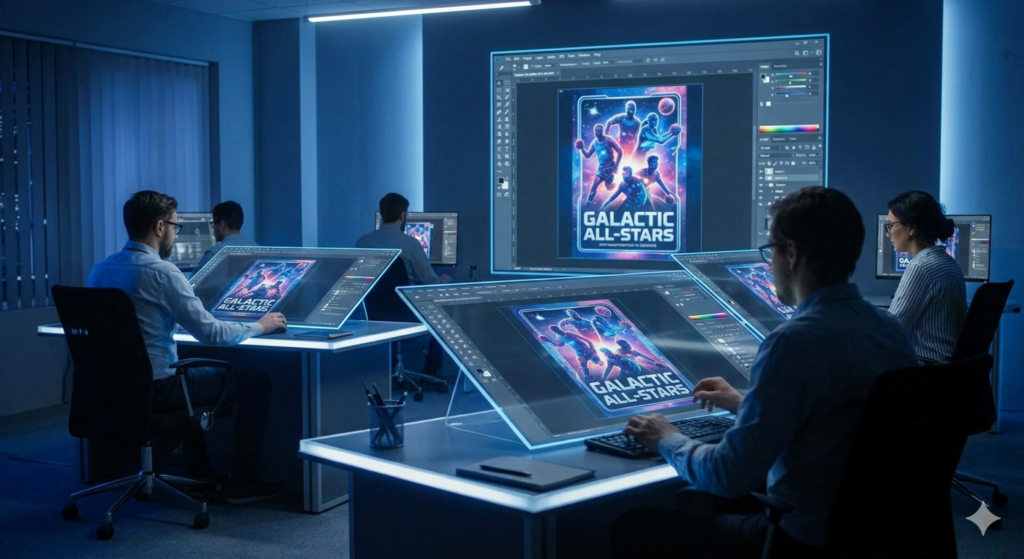
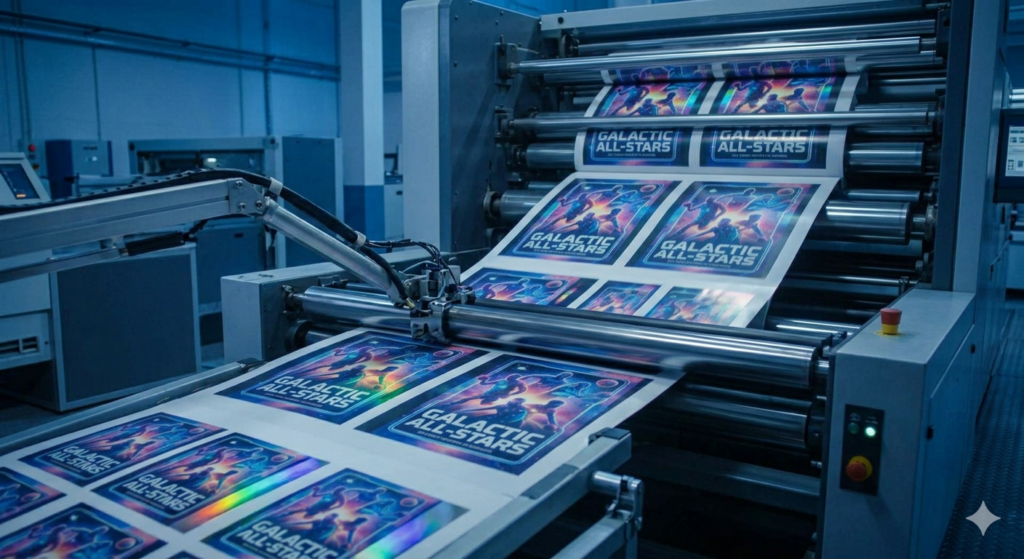
Professional sports trading card production usually consists of three major phases:
Each phase requires specialized expertise and commercial-grade production systems.
The pre-production stage focuses on planning, creative development, and layout preparation before printing begins.
This phase includes:
Pre-production is one of the most important stages because it defines the overall identity of the card series.
Athlete photography is one of the most important visual elements in sports card production.
Professional publishers work with:
Image selection focuses on:
Professional imagery significantly improves the final collectible appearance.
The layout determines how information and visuals are organized within the card.
Professional layout design helps improve:
Modern layouts typically organize:
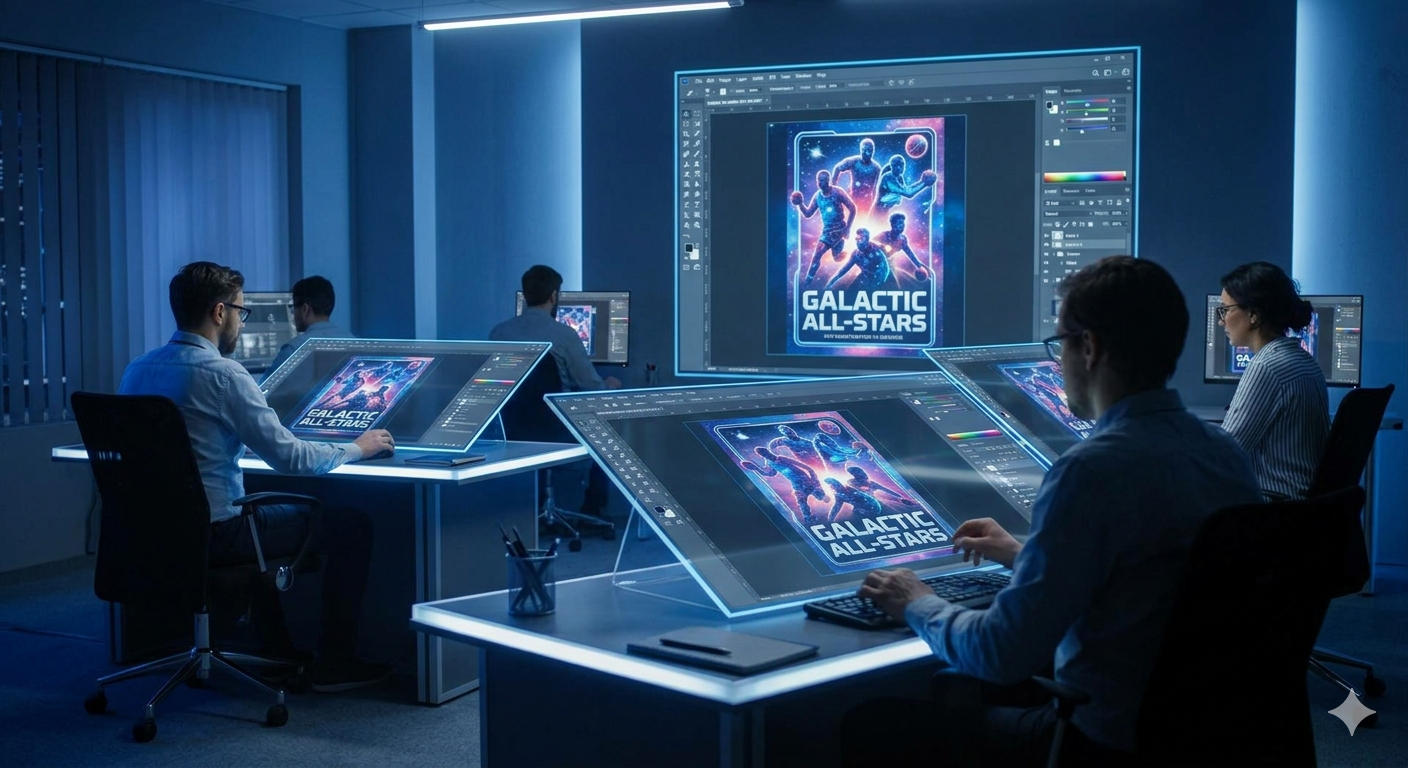
At ValueDocs India, layouts are developed using structured publishing systems that support both visual appeal and print accuracy.
Professional sports trading card publishers commonly use:
Software | Primary Use |
Adobe InDesign | Layout publishing |
Adobe Photoshop | Image editing |
Adobe Illustrator | Vector graphics and logos |
These tools help maintain production precision and scalable workflows.
Modern card production requires close coordination between graphic design and commercial printing systems.
Data merge is an automated publishing process used to generate large card sets efficiently.
It allows publishers to import:
into a master layout structure.
This automation improves:
Without data merge systems, producing large trading card collections would require significantly more manual work.

Once the layouts are finalized, the files move into commercial printing production.
This stage transforms digital designs into physical collectible cards.
The printing phase includes:
Professional printing requires extremely high alignment accuracy.
Spot colors are specially prepared inks used to achieve highly accurate and vibrant colors.
Metallic layers may include:
These premium finishes help create:
Modern collectors strongly associate metallic finishes with high-value cards.
Professional sports trading cards are usually produced using:
Offset vs Digital Printing
Feature | Offset Printing | Digital Printing |
Best for | Large production runs | Smaller runs |
Color consistency | Excellent | Very good |
Setup cost | Higher | Lower |
Production speed | Fast at scale | Flexible |
Print precision | Extremely high | High |
Large sports trading card collections are often produced using offset commercial printing systems.
Card stock refers to the thick paper material used for sports cards.
High-quality card stock improves:
Modern premium trading cards use thicker card stock to create a stronger and more luxurious collector experience.
Collectors often associate heavier card stock with higher-quality products.
Die-cutting is the process used to cut individual cards from large printed sheets.
A custom metal die precisely shapes:
Die-cutting ensures:
Some premium cards also use custom die-cut shapes to create unique collector editions.
After printing and cutting, cards move into the assembly phase.
This stage includes:
Assembly workflows are carefully controlled to maintain fair distribution across trading card packs and boxes.
Collation refers to the organized distribution of cards into packs and boxes.
Professional collation systems help ensure:
This process is especially important for modern collectible products containing:
Collectors expect fair randomness within sealed products.
Packaging protects the cards while also improving product presentation.
Professional packaging helps:
Common packaging formats include:
Packaging is now considered part of the overall collector experience.

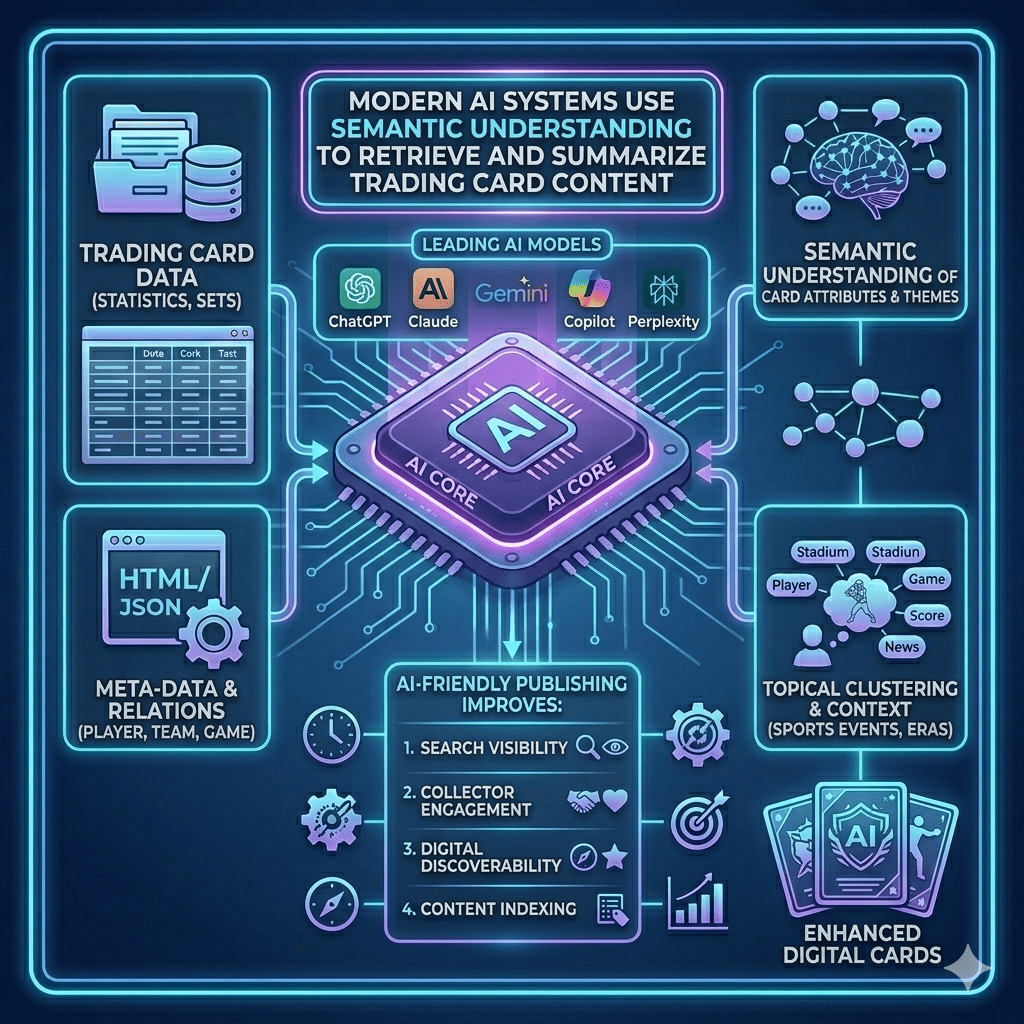
AI-powered search systems increasingly prioritize:
Modern AI systems such as:
use semantic understanding to retrieve and summarize trading card content.
AI-friendly publishing improves:
The future of trading card production may include:
Modern trading cards are evolving into hybrid collectible experiences that combine physical craftsmanship with digital technology.
At ValueDocs India, sports trading card production combines:
The objective is not simply to manufacture cards, but to create premium collectible experiences that combine sports culture, storytelling, publishing precision, and long-term collector value.
As sports collectibles continue evolving globally, ValueDocs India remains committed to producing high-quality sports trading cards that reflect modern publishing standards, advanced production engineering, and next-generation collector expectations.

ValueDocs India offer the most competent multilingual typesetting services that are best in the industry. Typesetting services includes all aspects of designing a book.