Engineering Documentation Is No Longer Limited to Printed Manuals

Engineering organizations are rapidly moving toward digital-first operations. Technical information that once existed only in printed binders is now expected to function across cloud systems, mobile platforms, digital repositories, and global collaboration environments. 

As industries modernize their workflows, Engineering DTP (Desktop Publishing) has evolved beyond layout formatting into a critical part of digital transformation strategies. 

Today, technical publishing supports: 

  • Interactive documentation  
  • Searchable engineering libraries  
  • Smart manufacturing systems  
  • Digital maintenance platforms  
  • Cloud-based technical repositories  
  • Multi-device accessibility  

This shift has made professional Engineering DTP services more important than ever. 


Digital Transformation Depends on Organized Technical Information

Engineering projects generate large amounts of highly structured data. 

Without organized publishing systems, technical content becomes difficult to: 

  • Access  
  • Update  
  • Translate  
  • Share  
  • Standardize  
  • Archive  

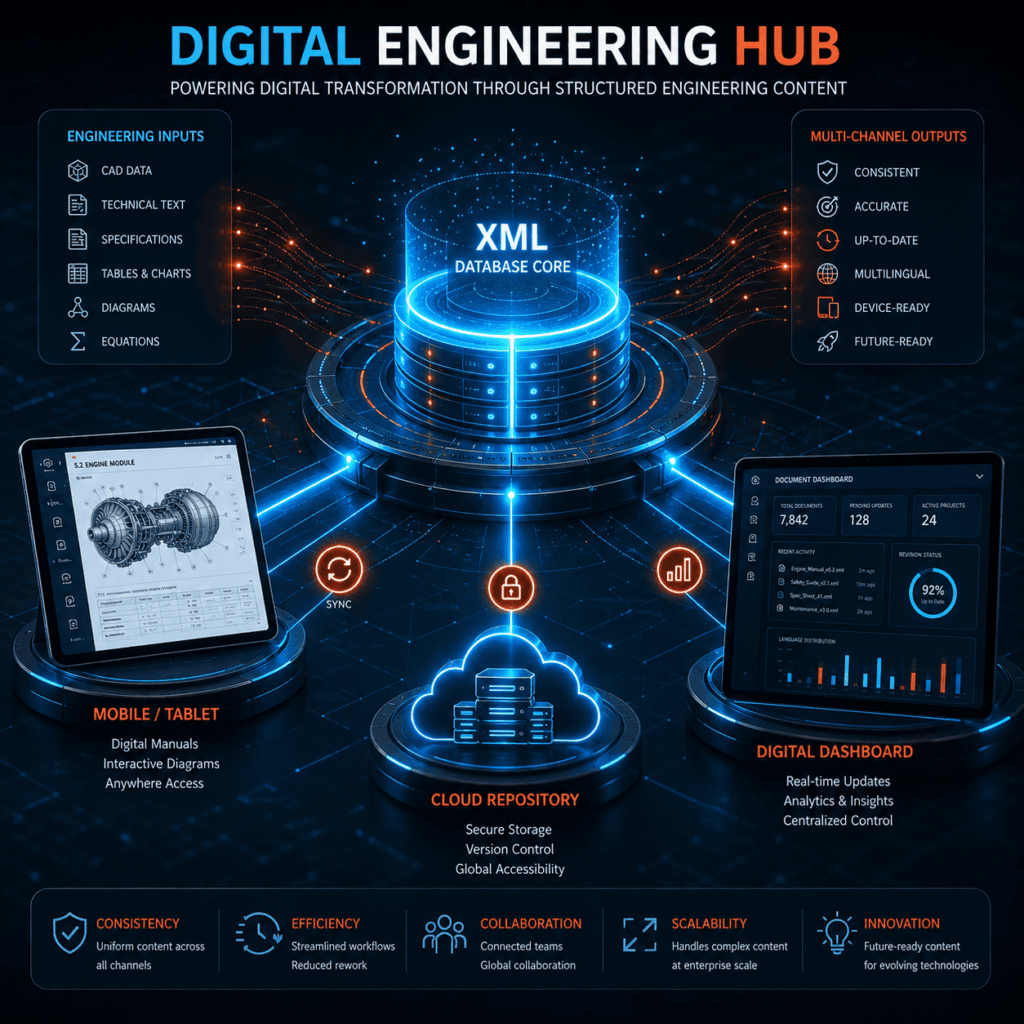
Engineering DTP helps convert fragmented technical content into clean, structured, publication-ready assets that can function efficiently across digital ecosystems. 

This creates better alignment between engineering, manufacturing, service, and operational teams.

Engineering Documentation Digital Transformation

Engineering DTP Bridges Design and Digital Communication

Modern engineering environments rely on multiple technical sources simultaneously. 

A single project may involve: 

  • CAD drawings  
  • Technical specifications  
  • Engineering calculations  
  • Safety documentation  
  • Compliance reports  
  • Installation instructions  
  • Service manuals  
  • Revision records  

Engineering DTP specialists organize these materials into clear publishing structures that support both print and digital delivery environments. 

This improves usability without compromising technical accuracy. 

Why Technical Publishing Matters in Industry 4.0 Environments

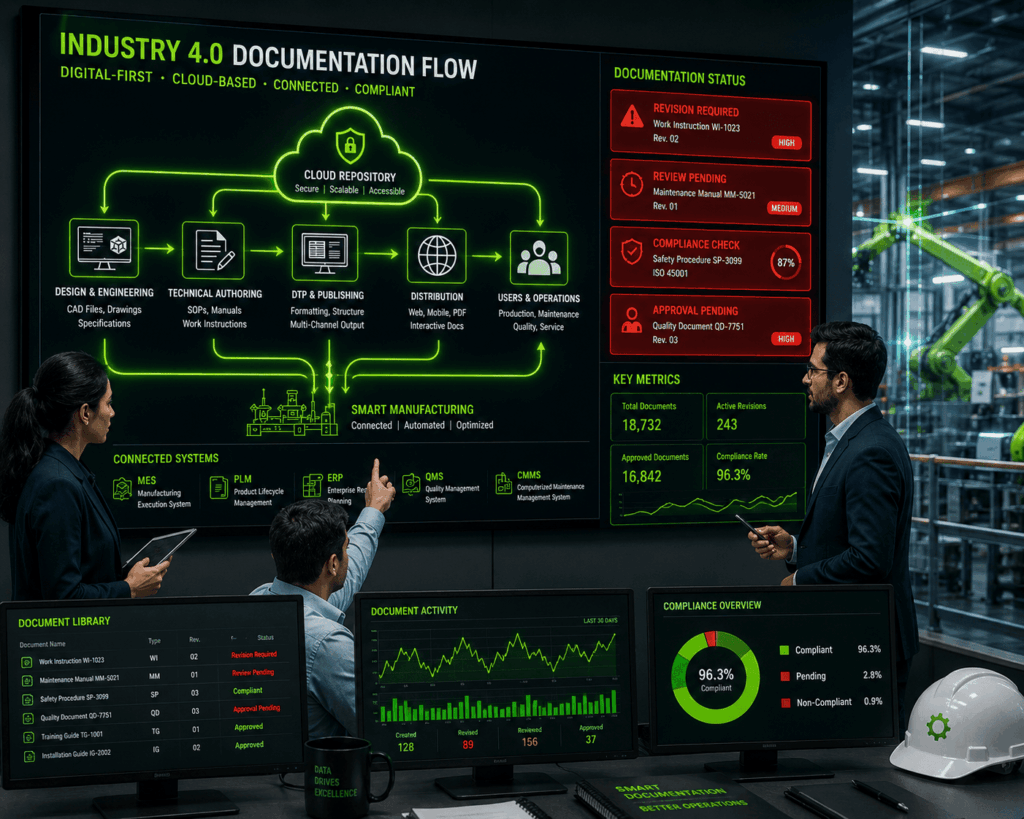
Industry 4.0 technologies rely heavily on accessible and standardized documentation. 

Digital factories, connected equipment, and smart maintenance systems require engineering content that can move seamlessly between: 

  • Production systems  
  • Digital dashboards  
  • Mobile devices  
  • Cloud repositories  
  • Technical support platforms  

Poorly formatted documents slow these workflows significantly. 

Professional technical publishing ensures engineering information remains readable, searchable, and operationally consistent.

Modern Engineering Publishing Requires More Than Visual Formatting

Technical publishing now includes multiple layers of digital preparation. 

Engineering DTP providers often support: 

  • XML publishing systems  
  • Metadata structuring  
  • Hyperlinked cross-references  
  • Responsive digital layouts  
  • Automated indexing  
  • Version synchronization  
  • Multi-language adaptation  
  • Repository-ready outputs  

These publishing systems help organizations manage growing documentation complexity more efficiently. 

Digital Documentation Improves Global Collaboration

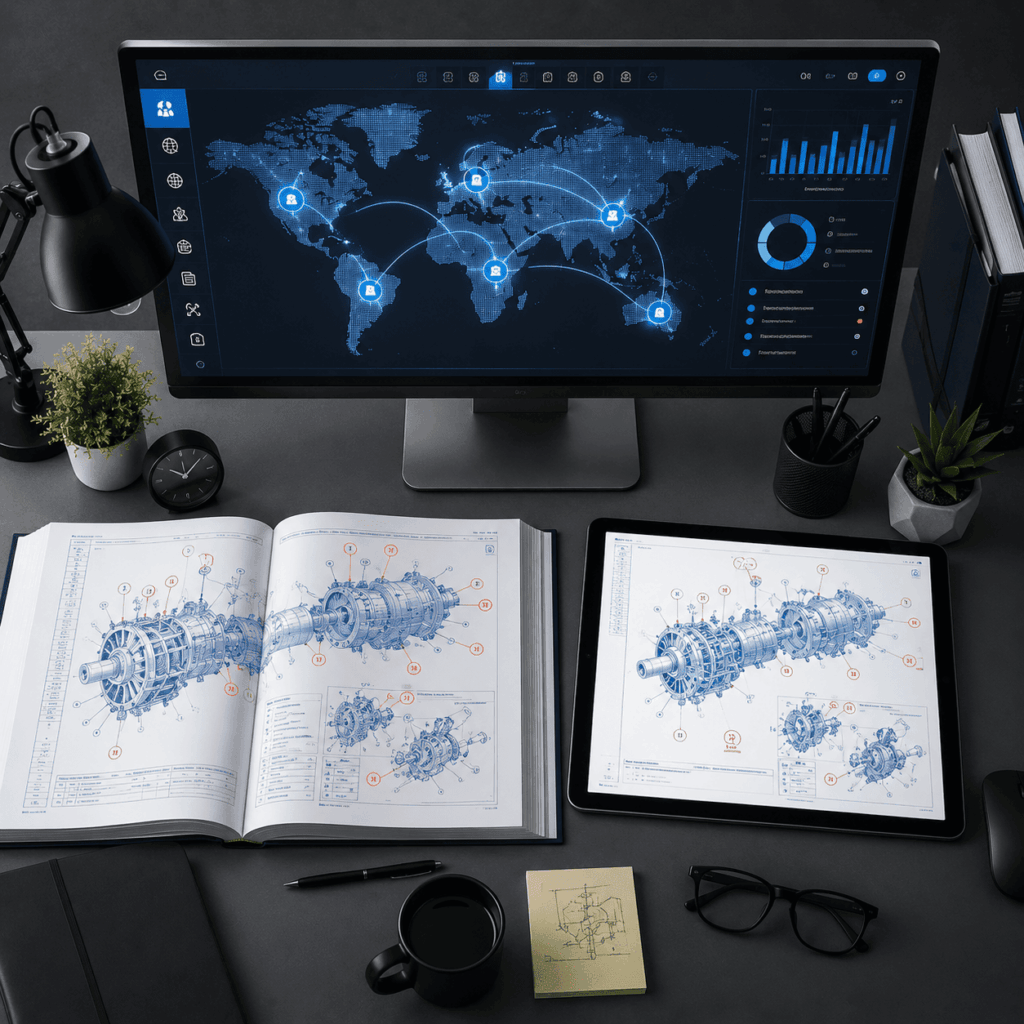
Engineering operations increasingly involve teams working across different countries and time zones. 

Digital publishing workflows make it easier to: 

  • Share revisions instantly  
  • Maintain version control  
  • Standardize technical communication  
  • Reduce duplication errors  
  • Coordinate multilingual documentation  

Engineering DTP plays a central role in maintaining consistency across global technical environments.

Technical Accuracy Remains the Core Priority

Even as publishing systems become more digital, technical precision remains essential. 

Engineering DTP workflows help maintain: 

  • Diagram clarity  
  • Table alignment  
  • Technical labeling accuracy  
  • Structured page hierarchy  
  • Equation formatting  
  • Revision integrity 
  • Symbol consistency  

Accurate formatting improves both readability and operational reliability. 

Engineering Documentation Digital Transformation

Mobile and Cloud Access Are Reshaping Technical Publishing

Field engineers and service teams now expect instant access to technical information from any location. 

Modern publishing workflows increasingly support: 

  • Tablet-ready manuals  
  • Mobile-responsive diagrams  
  • Cloud-hosted repositories  
  • Searchable PDF systems  
  • Digital maintenance platforms  
  • Remote collaboration environments  

Engineering DTP ensures documents remain functional and visually stable across these platforms.

Engineering DTP Supports Long-Term Documentation Scalability

As technical documentation volumes increase, organizations need systems capable of handling continuous updates and expansion. 

Structured publishing environments help companies: 

  • Simplify revision management  
  • Reduce formatting inconsistencies  
  • Improve document lifecycle control  
  • Support future digital integration  
  • Maintain organized technical archives  

This creates stronger long-term documentation infrastructure.

Industries Driving Digital Technical Publishing Growth

Aerospace and Aviation

Aircraft maintenance systems increasingly depend on digitally accessible technical documentation. 

Automotive Manufacturing

Vehicle service information now requires synchronized digital and print publishing systems. 

Industrial Manufacturing

Factories use centralized digital repositories for operational and maintenance documentation. 

Energy and Infrastructure

Large infrastructure projects require scalable publishing systems for technical reporting and compliance management. 

Engineering Research and Development

Research organizations rely on structured digital publishing for technical collaboration and archival management. 

Engineering DTP Has Become Part of Digital Strategy

Technical publishing is no longer a secondary administrative function. 

Organizations now recognize Engineering DTP as an important contributor to: 

  • Digital transformation  
  • Operational consistency  
  • Knowledge management  
  • Global communication  
  • Technical accessibility  
  • Information scalability  

Well-structured engineering documentation helps companies transition more effectively into digitally connected operational environments.

Engineering Documentation Digital Transformation

FAQ

Most frequent questions and answers

Engineering DTP involves organizing, formatting, and preparing technical engineering content for both print and digital publishing systems. 

It helps convert complex engineering data into structured, searchable, and scalable digital documentation environments. 

Interactive PDFs, XML-based publishing systems, cloud repositories, mobile-ready manuals, and searchable technical libraries are commonly supported. 

Structured formatting improves readability, version control, multilingual consistency, and information accessibility across engineering teams. 


Aerospace, automotive, industrial manufacturing, energy, infrastructure, and engineering research sectors rely heavily on these systems. 

Yes. Professional publishing workflows help organizations maintain scalable archives, revision control systems, and standardized documentation structures over time.
