

EdTech & Digital Learning

Learning Expectations Have Changed

Educational institutions are no longer serving learners who depend exclusively on printed textbooks and classroom-based instruction. Students today expect flexible access to learning materials, interactive experiences, personalized learning pathways, and the ability to study across multiple devices.

As a result, educational organizations are increasingly investing in EdTech and digital learning solutions to improve accessibility, engagement, and learning outcomes. What began as a supplementary teaching tool has evolved into a core component of modern education delivery.

For publishers, institutions, and content developers, understanding the role of digital learning is becoming essential for long-term educational success.

What Is EdTech And Digital Learning?

Educational Technology (EdTech) refers to the use of technology to support teaching, learning, assessment, and educational administration.

Digital learning environments may include:

  • eLearning courses
  • Virtual classrooms
  • Learning management systems
  • Educational apps
  • Interactive textbooks
  • Online assessments
  • Digital content libraries
  • Mobile learning platforms

These technologies help educators deliver content more effectively while providing learners with greater flexibility.

Why Educational Institutions Are Expanding Digital Learning

Traditional learning models often face limitations related to time, location, and resource availability.

Digital learning helps address these challenges by providing:

  • Anytime access to content
  • Flexible learning schedules
  • Self-paced learning opportunities
  • Broader content availability
  • Improved learner engagement
Traditional Learning Vs Digital Learning

Traditional Learning

Digital Learning

Fixed classroom schedules

Flexible access

Physical materials only

Multi-device content

Limited learning hours

Continuous availability

Manual progress tracking

Automated analytics

Location-dependent

Remote accessibility

Static content updates

Faster content revisions

These advantages are driving continued adoption across educational sectors.

Interactive Content Improves Learner Engagement

One of the biggest strengths of digital learning is interactivity.

Modern educational content may include:

  • Simulations
  • Interactive diagrams
  • Embedded videos
  • Knowledge checks
  • Gamified activities
  • Adaptive assessments

Interactive experiences encourage active participation rather than passive reading.

When learners engage directly with content, they often retain information more effectively and maintain greater interest throughout the learning process.

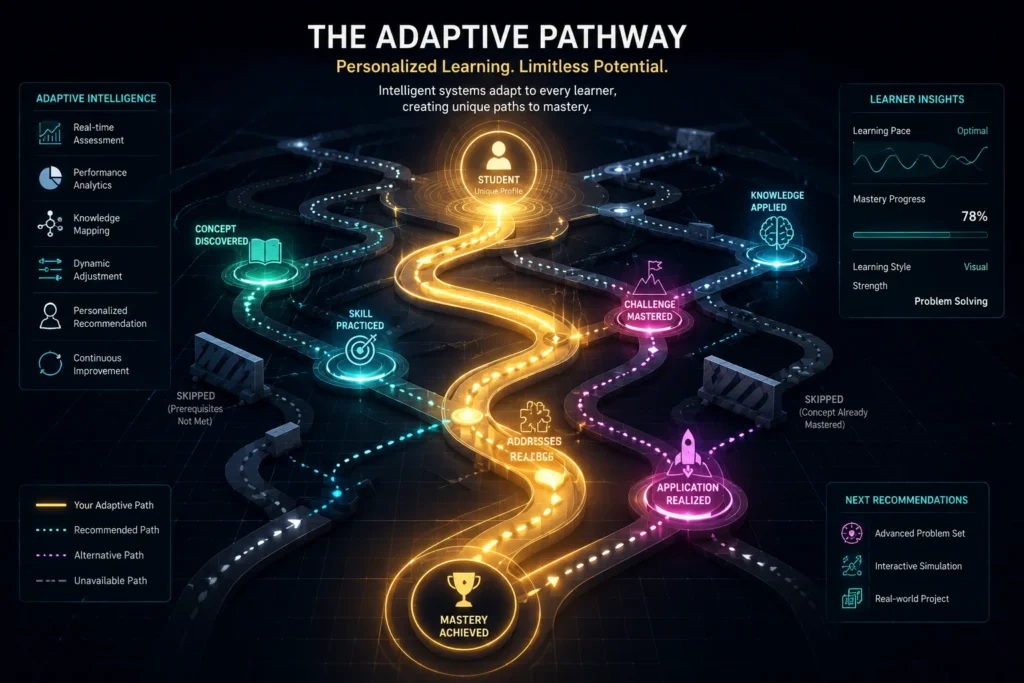
Personalized Learning Experiences

Every learner progresses at a different pace.

Traditional classroom environments can make it difficult to accommodate varying learning needs.

Digital learning platforms can support personalization through:

  • Adaptive learning paths
  • Individual progress tracking
  • Customized assessments
  • Targeted recommendations
  • Performance-based content delivery

Personalized learning helps students focus on areas requiring additional attention while allowing advanced learners to progress more efficiently.

The Growing Importance Of Mobile Learning

Students increasingly access educational content through smartphones and tablets.

Mobile learning enables:

  • Learning during travel
  • Quick content reviews
  • On-demand access to lessons
  • Flexible study schedules
  • Improved accessibility

Educational organizations that optimize content for mobile devices can better support modern learner expectations.

Responsive design and mobile-friendly content structures have become important considerations in educational content development.

Data And Learning Analytics Support Better Decisions

Digital learning platforms generate valuable insights into learner behavior.

Organizations can analyze:

  • Completion rates
  • Assessment performance
  • Learning patterns
  • Engagement levels
  • Content effectiveness

These insights help educators identify learning gaps and improve instructional strategies.

Data-driven decision-making allows institutions to continuously refine educational programs and improve learner outcomes.

Digital Content Requires Strong Publishing Workflows

As educational organizations expand digital offerings, content production becomes increasingly important.

Digital learning materials often require:

  • Structured content development
  • Consistent formatting
  • Multi-device compatibility
  • Accessibility compliance
  • Regular updates

Educational publishers and content teams must develop workflows that support both print and digital distribution.

This is particularly important when content needs to appear across learning management systems, websites, mobile applications, and interactive learning environments.

Challenges In Digital Learning Implementation

While digital learning offers significant advantages, organizations may encounter challenges such as:

  • Content migration
  • Technology integration
  • User adoption
  • Accessibility requirements
  • Content maintenance
  • Platform compatibility

Successful implementation typically requires a combination of technology, instructional design, content strategy, and ongoing support.

Organizations that address these areas proactively are often better positioned to achieve long-term success.

Future Trends In EdTech

Several developments continue to influence the future of digital learning:

  • Artificial intelligence-assisted learning
  • Adaptive learning systems
  • Interactive educational content
  • Learning analytics platforms
  • Microlearning programs
  • Mobile-first education models

As technology evolves, educational organizations will continue exploring new ways to improve learner engagement and educational effectiveness.

Preparing For The Next Generation Of Learning

EdTech and digital learning are reshaping how educational content is created, delivered, and consumed. By combining technology, interactive experiences, personalized learning, and data-driven insights, educational organizations can create more flexible and effective learning environments. As learner expectations continue to evolve, digital learning will remain a key component of modern education strategies.

FAQ

EdTech refers to educational technology solutions that support teaching, learning, assessment, and educational administration.

Digital learning provides flexible access to educational content, personalized learning experiences, and interactive learning opportunities.

Mobile learning allows students to access educational materials anytime and from virtually any location using smartphones or tablets.

Learning analytics provide insights into student engagement, performance, and learning patterns, helping educators improve educational outcomes.

Organizations should focus on accessibility, user experience, multi-device compatibility, content quality, and long-term maintainability.
