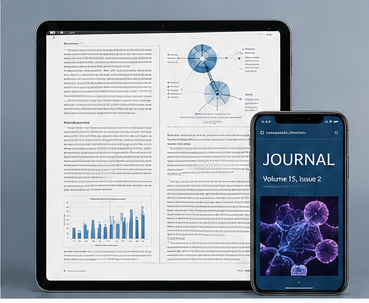
Cost-Effective Academic Typesetting Solutions for International Publishers

Publishing More, Spending Smarter

International academic publishers are under constant pressure to release high-quality journals, books, and research publications faster than ever before. With rising submission volumes, strict formatting requirements, and growing digital publishing demands, production teams often struggle to maintain efficiency without increasing operational costs.

This is where cost-effective academic typesetting solutions create a measurable advantage. By combining technical expertise, automated workflows, and scalable production support, professional typesetting services help publishers reduce bottlenecks while maintaining exceptional publication quality.

From scholarly journals and STM publications to conference proceedings and eBooks, modern typesetting solutions are transforming how global publishers manage academic content.

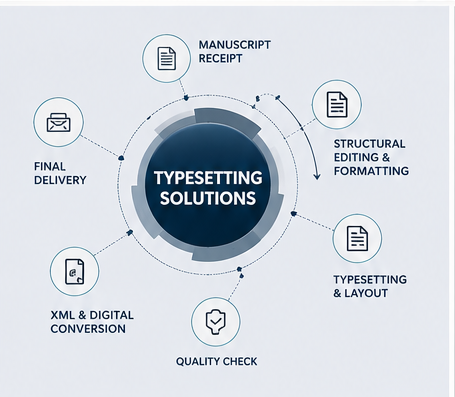
Academic Typesetting Solutions

The Hidden Complexity Behind Academic Publishing

Academic publishing is far more technical than standard document formatting. Every manuscript contains structured elements that demand precision and consistency.

These include:

  • Complex equations and formulas
  • Scientific tables and charts
  • Multi-column layouts
  • Citations and references
  • Technical illustrations
  • XML and digital publishing standards
  • Cross-references and indexing
  • Print and ePub compatibility

Managing these components manually can slow production timelines and increase correction cycles. Specialized typesetting support helps publishers eliminate these inefficiencies.

Academic Typesetting Solutions

What Makes Modern Typesetting Solutions Different?

Today’s academic typesetting services go beyond layout formatting. They function as a complete production support system for publishers handling high-volume scholarly content.

Intelligent Workflow Integration

Professional typesetting teams use structured workflows that integrate seamlessly with editorial and peer-review processes. This reduces repetitive corrections and accelerates publication schedules.

Scalable Production Capacity

Whether handling 20 manuscripts or 2,000 pages monthly, scalable typesetting solutions allow publishers to expand operations without increasing internal production pressure.

Digital-First Publishing Support

Modern academic content must perform across multiple platforms. Advanced typesetting services prepare publications for:

  • Online journals
  • eBooks
  • XML repositories
  • Mobile reading platforms
  • Print-ready production

This improves accessibility and global content distribution.

Where Publishers Save Time and Cost

Reduced Manual Formatting

Automated workflows and specialized formatting tools significantly reduce manual intervention for equations, citations, tables, and layouts.

Faster Correction Cycles

Experienced production teams identify formatting inconsistencies early, minimizing author revisions and proofing delays.

Lower Infrastructure Expenses

Outsourcing typesetting removes the need for large in-house production departments, software licensing overhead, and dedicated formatting specialists.

Better Resource Allocation

Editorial teams can focus on peer review, acquisitions, and content strategy while production specialists manage formatting workflows.

Precision That Supports Scholarly Credibility

Formatting quality directly impacts how academic content is perceived by reviewers, institutions, and readers. Clean structure and consistent presentation improve readability and strengthen publication credibility.

Professional academic typesetting ensures:

  • Accurate equation rendering
  • Consistent citation formatting
  • Clear graphical presentation
  • Proper figure placement
  • Standardized journal layouts
  • Publication-ready quality control

This is particularly important for scientific, medical, engineering, and technical publications where precision matters.

Academic Typesetting Solutions

Technology Behind Efficient Academic Production

Renowned typesetting companies employ revolutionary publishing technologies tailored for the creation of academic content.

Commonly used platforms include:

  • Adobe InDesign
  • LaTeX
  • MathType
  • XML publishing systems
  • ePub conversion tools
  • OCR correction software
  • Automated proofing workflows

These technologies improve formatting consistency while accelerating turnaround times

Why International Publishers Are Rethinking Production Models

Global publishers are increasingly shifting toward outsourced academic production because publishing demands continue to evolve rapidly.

Publishers today require:

  • Faster release schedules
  • Multi-format publishing
  • Higher manuscript volumes
  • Improved scalability
  • Cost optimization
  • Consistent global publishing standards

Professional typesetting partners provide the operational flexibility needed to support these goals efficiently.

Academic Typesetting Solutions

A Smarter Approach to Academic Publishing Growth

Cost-effective academic typesetting is no longer just a support service — it has become a strategic publishing advantage. Publishers that streamline production workflows can accelerate publication timelines, reduce operational stress, and improve overall publishing quality.
By partnering with experienced academic typesetting specialists, international publishers gain access to scalable expertise, advanced publishing technology, and reliable production support that keeps pace with modern scholarly communication.
As academic publishing continues to expand globally, efficient and high-quality typesetting solutions will remain essential for sustainable publishing growth.

FAQ

Most frequent questions and answers

Academic typesetting involves formatting scholarly content such as journals, books, research papers, and conference proceedings for professional print and digital publication.

Publishers outsource typesetting to reduce operational costs, improve turnaround times, maintain formatting consistency, and manage large publishing volumes efficiently.

Research journals, scientific papers, STM publications, academic books, dissertations, conference proceedings, and eBooks commonly require professional typesetting.

Popular tools include Adobe InDesign, LaTeX, MathType, XML publishing systems, and ePub conversion software.

Yes. Modern typesetting services support XML workflows, online journals, mobile-compatible formats, eBooks, and digital repositories.

They reduce manual formatting effort, accelerate production cycles, improve scalability, and ensure publication-ready consistency across all academic content.