Why Leading Educational Publishers Are Moving Their Production Operations Offshore

A growing number of educational publishers are facing a common challenge: content demand is increasing faster than internal production capacity. New curriculum releases, digital learning materials, assessment content, teacher resources, and accessibility requirements have expanded the scope of modern publishing operations. At the same time, publishers are under pressure to reduce production timelines while maintaining quality standards.

As a result, many organizations are reevaluating where and how production work is completed. Offshore production operations have become an important strategy for publishers seeking greater scalability, operational flexibility, and consistent delivery performance

The Growing Complexity Of Educational Content Production

Educational publishing today involves far more than traditional page layout and proofreading.

Production teams often manage:

  • Textbook development
  • Assessment content preparation
  • Digital learning materials
  • Accessibility compliance reviews
  • Interactive educational resources
  • Multi-format publishing outputs

As content portfolios expand, maintaining sufficient in-house capacity becomes increasingly difficult.

Why Internal Production Models Face New Pressures

Many publishers built their production teams around predictable publishing schedules. Today’s environment is significantly different.

Common challenges include:

  • Seasonal workload spikes
  • Resource shortages
  • Longer recruitment cycles
  • Rising operational costs
  • Tight publication deadlines
  • Increased quality expectations

These factors often create bottlenecks that affect project delivery.

The Shift From Cost Reduction To Capacity Expansion

Historically, offshore production was often viewed as a cost-saving initiative. Today, many publishers view it as a scalability strategy

Traditional Perspective vs Modern Perspective

Earlier Offshore Model

Modern Offshore Model

Cost reduction focus

Capacity expansion focus

Basic production tasks

End-to-end production support

Limited collaboration

Integrated workflows

Vendor relationship

Strategic partnership

Short-term projects

Long-term operational support

The conversation has shifted from reducing expenses to increasing production capability.

Access To Specialized Publishing Expertise

One reason publishers move production operations offshore is access to experienced publishing professionals.

Specialized teams often support:

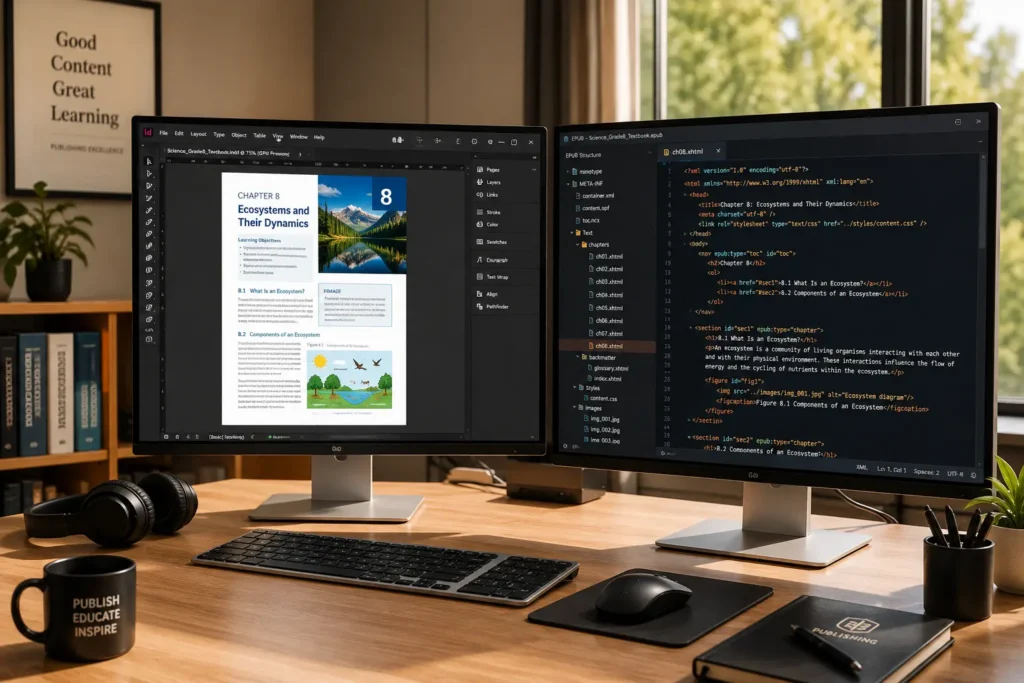
  • Adobe InDesign production
  • Educational typesetting
  • XML-first publishing workflows
  • Accessibility validation
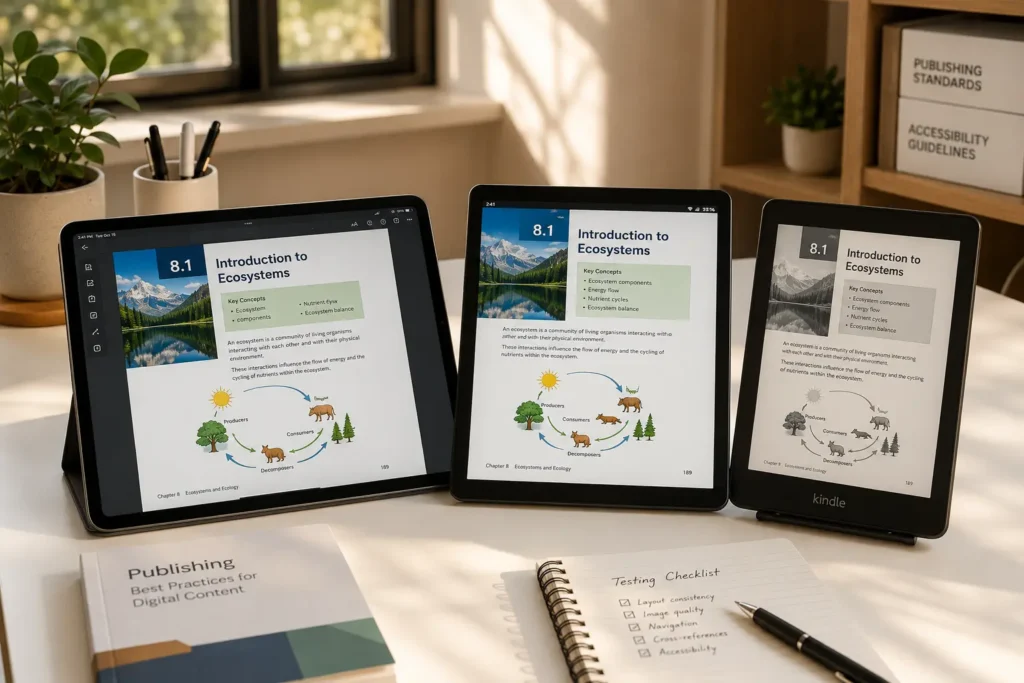
  • EPUB production
  • Quality assurance reviews
  • Content conversion projects

This expertise allows publishers to expand production capacity without extensive internal hiring.

Faster Production Through Parallel Workflows

Modern publishing projects involve multiple production stages.

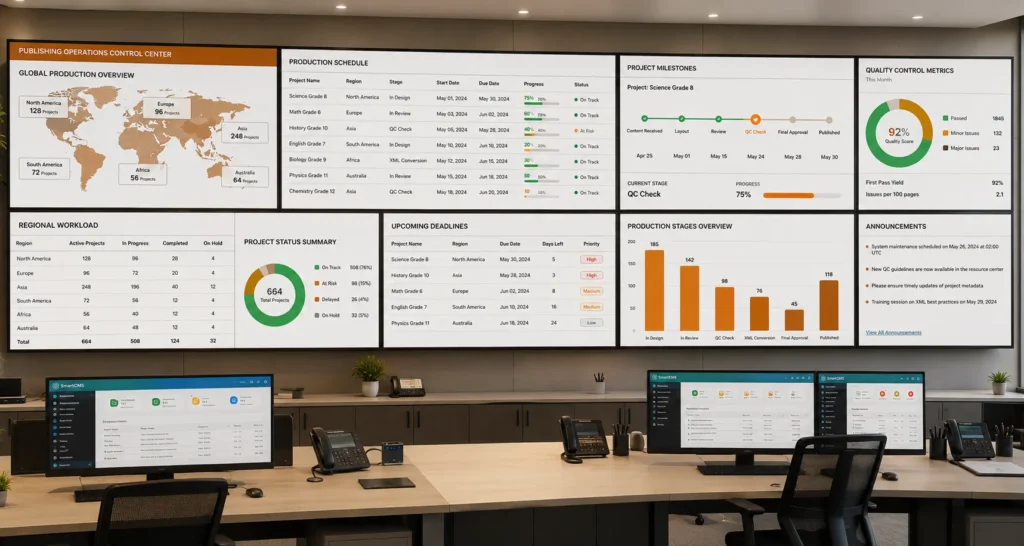
Rather than waiting for one team to complete all activities sequentially, offshore operations can support parallel production models.

Examples include:

  • Simultaneous layout and quality review
  • Concurrent content conversion activities
  • Multi-project production scheduling
  • Dedicated review and correction teams

This approach can help reduce overall production timelines while maintaining quality controls.

Supporting Large-Scale Publishing Programs

Offshore production is particularly valuable for publishers managing:

  • Curriculum modernization projects
  • Large textbook portfolios
  • Assessment development programs
  • Digital learning platform content
  • Content migration initiatives

These projects often require resources that exceed the capacity

Comparing Operational Approaches

Operational Area

Internal Only Model

Hybrid Offshore Model

Scalability

Limited by staffing

Flexible capacity

Resource Availability

Fixed

Expandable

Production Coverage

Single team

Multi-team support

Peak Workload Management

Challenging

More adaptable

Project Throughput

Capacity constrained

Higher potential output

Specialized Expertise

Limited availability

Broader skill access

Many publishers now adopt hybrid models that combine internal oversight with offshore production support.

What Successful Publishers Evaluate Before Moving Offshore

Organizations typically assess several factors before making a transition.

Common Evaluation Criteria

✔ Production volume

✔ Resource utilization

✔ Project backlog levels

✔ Quality requirements

✔ Workflow maturity

✔ Communication processes

✔ Technology infrastructure

✔ Long-term growth objectives

Successful transitions are generally supported by well-defined processes and governance structures.

Building Publishing Operations For Sustainable Growth

Leading educational publishers are increasingly viewing offshore production as a strategic operational capability rather than simply a sourcing decision. By combining specialized expertise, scalable resources, and structured production processes, organizations can better manage growing content demands while maintaining quality and delivery expectations. As publishing requirements continue to evolve, flexible production models are becoming an important part of long-term operational planning.

FAQ

Many publishers use offshore operations to improve scalability, access specialized expertise, and support growing content demands

No. Small and mid-sized publishers can also benefit from flexible production capacity and specialized publishing support

Typesetting, layout production, content conversion, accessibility validation, EPUB preparation, and quality assurance are frequently supported activities.

Additional production capacity and parallel workflows can help organizations manage workloads more efficiently.

Clearly defined workflows, quality standards, communication processes, and governance controls are essential for long-term success.
