
How To Prepare Educational Content For LMS Platforms

A learning management system (LMS) can only deliver a strong learning experience if the educational content behind it is properly structured. Many publishers and educational organizations discover that content designed for print, PDFs, or classroom instruction does not automatically perform well within digital learning environments.

Poor formatting, inconsistent navigation, accessibility issues, and unsupported media can reduce learner engagement and create technical challenges. Preparing educational content for LMS platforms requires more than simply uploading files—it involves organizing content for usability, compatibility, and learner success.

Why LMS Content Preparation Matters

Modern LMS platforms support a wide range of learning experiences, including:

  • Self-paced courses
  • Corporate training programs
  • Academic learning modules
  • Certification programs
  • Interactive assessments
  • Blended learning environments

Well-prepared content helps learners access information quickly, complete activities efficiently, and progress through courses without confusion.

For publishers and content developers, proper LMS preparation improves content consistency and reduces implementation issues.

Understanding LMS Content Requirements

Before development begins, organizations should understand the requirements of the target LMS platform.

Common considerations include:

  • Supported file formats
  • Content structure requirements
  • Assessment compatibility
  • Multimedia support
  • Accessibility standards
  • Mobile responsiveness

Preparing content according to platform specifications helps avoid costly revisions later in the publishing process.

Optimizing Content For Digital Delivery

Content designed for printed materials often requires adjustments before LMS deployment.

Improve Readability

Best practices include:

  • Short paragraphs
  • Clear headings
  • Bullet lists
  • Consistent formatting
  • Visual hierarchy

Digital learners typically scan content before reading in detail, making readability essential.

Use Multimedia Strategically

Educational content may include:

  • Images
  • Diagrams
  • Videos
  • Interactive elements
  • Simulations

Each element should support learning objectives rather than serve as decoration.

Preparing Assessments And Learning Activities

Assessments are a core component of LMS-based learning.

Common formats include:

  • Multiple-choice questions
  • Drag-and-drop activities
  • Scenario-based exercises
  • Quizzes
  • Knowledge checks

Assessment content should align directly with course objectives and learning outcomes.

Organizations should also verify that assessment formats are supported by the target LMS platform.

Ensuring Accessibility Compliance

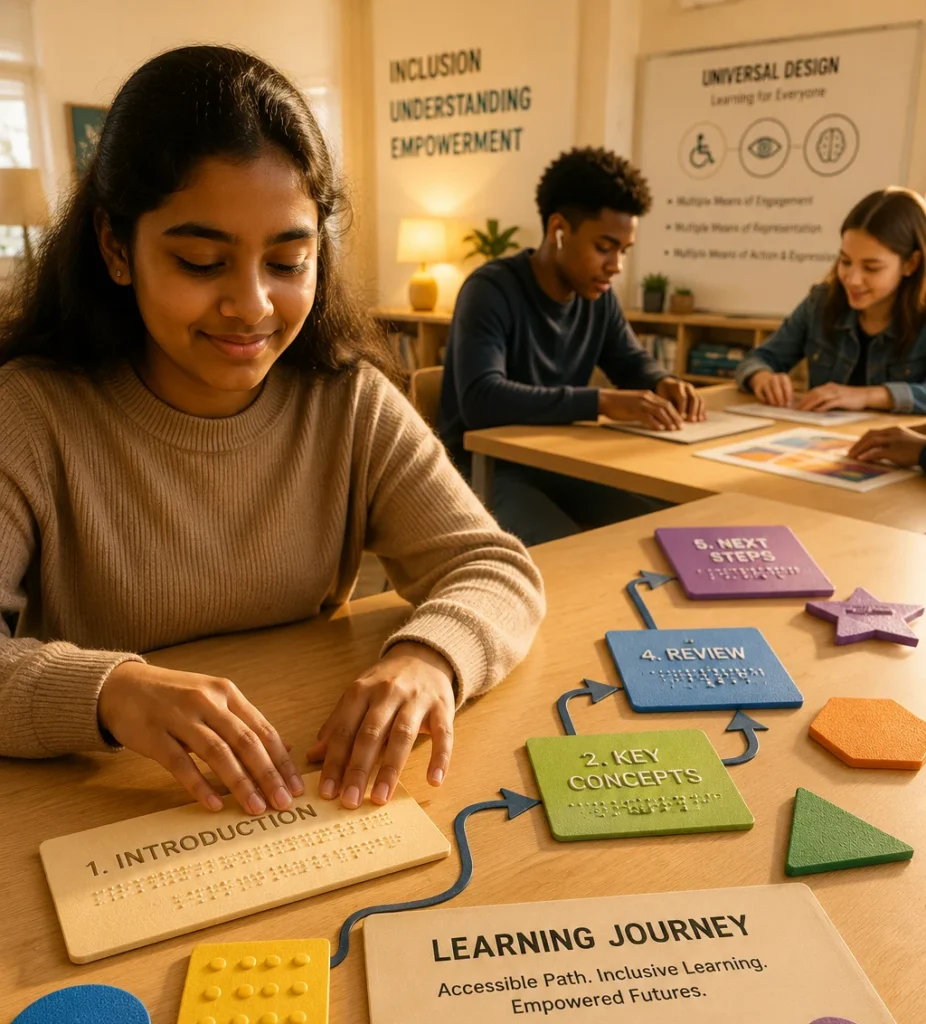
Accessibility is becoming an essential requirement in educational publishing.

Publishers should evaluate:

  • Alternative text for images
  • Heading structure
  • Keyboard navigation support
  • Color contrast
  • Screen reader compatibility

Accessibility improvements help ensure that learning materials are usable by a wider audience.

Comparing Traditional Content Preparation And LMS-Ready Development

Traditional Content Development

LMS-Ready Content Development

Print-focused layout

Digital-first structure

Long content sections

Modular learning units

Static learning experience

Interactive learning pathways

Limited accessibility review

Accessibility-focused design

Fixed delivery format

Multi-device compatibility

The goal is not simply to digitize content but to optimize it for online learning environments.

Managing Metadata And Course Organization

Metadata helps learners and administrators locate content efficiently.

Examples include:

  • Course title
  • Subject area
  • Grade level
  • Learning objectives
  • Topic categories
  • Skill classifications

Well-organized metadata also supports content reuse across multiple courses and learning programs.

Organizing Content Into Learning Modules

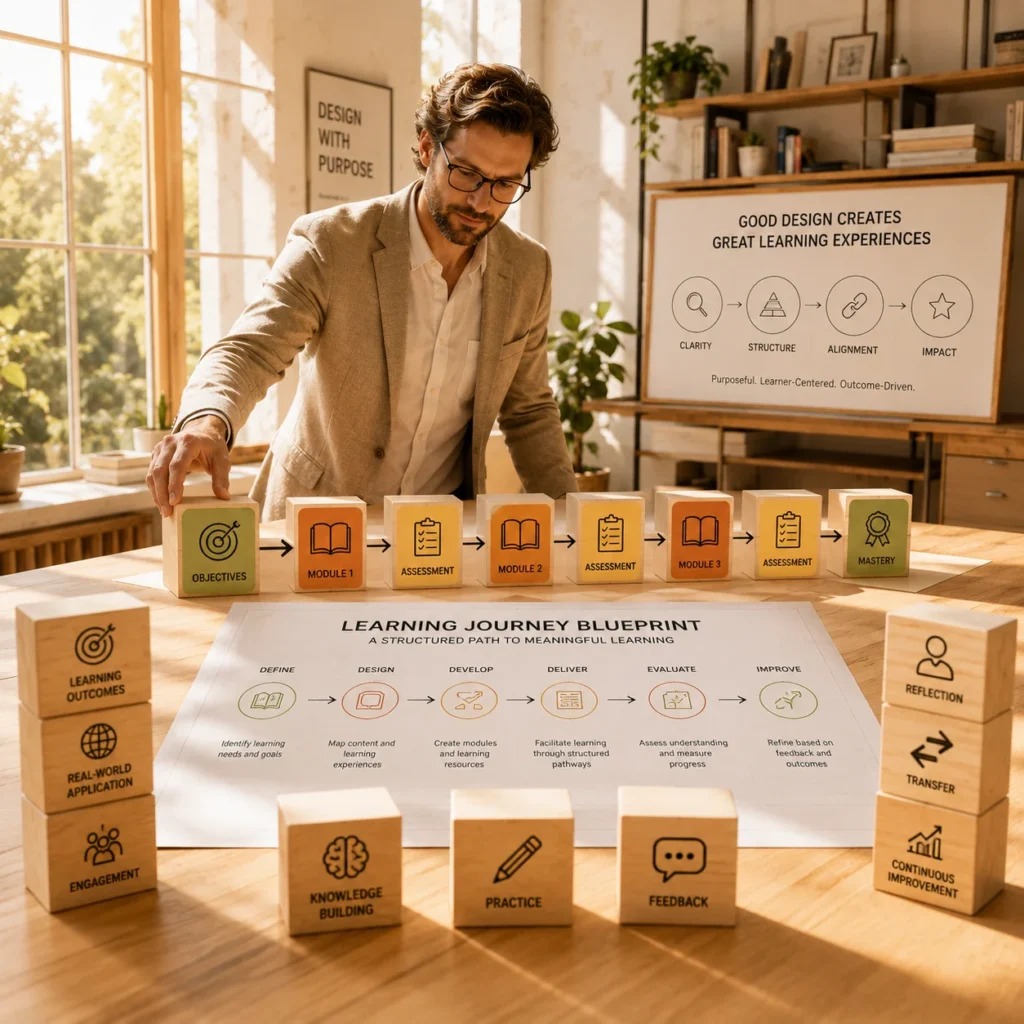
One of the most important preparation steps is structuring content into manageable learning units.

Effective LMS Content Structure

A typical course may include:

  1. Learning objectives
  2. Core instructional content
  3. Interactive activities
  4. Knowledge checks
  5. Assessments
  6. Summary sections

Breaking content into smaller modules improves navigation and learner retention.

Creating Logical Learning Paths

Content should follow a clear progression that guides learners from foundational concepts to more advanced topics.

This structure helps reduce cognitive overload and supports better learning outcomes.

A Practical Educational Publishing Scenario

A publisher developing science learning materials for middle-school students plans to deliver content through an LMS.

Instead of uploading an entire textbook as a PDF, the content is divided into topic-based modules, each containing learning objectives, instructional content, interactive activities, and assessments.

Accessibility checks are completed, metadata is added, and multimedia resources are optimized for mobile devices.

As a result, learners receive a more structured and engaging learning experience while administrators gain easier course management capabilities.

Building Learning Experiences That Work Across Digital Platforms

Preparing educational content for LMS platforms involves more than technical compatibility. It requires thoughtful content organization, accessibility planning, learner-focused design, and effective course structure. Publishers that invest in LMS-ready content development can improve learner engagement, support educational outcomes, and create digital learning experiences that remain effective across a variety of platforms and devices.

Frequently Asked Questions

LMS stands for Learning Management System, a platform used to deliver, manage, and track educational or training content.

Content should be organized into modules that include objectives, instructional materials, activities, assessments, and summaries.

Accessibility helps ensure learning materials can be used by individuals with different abilities and learning needs.

Interactive modules, videos, assessments, quizzes, and well-structured instructional content typically perform well in LMS environments.

Publishers can improve engagement by using clear learning pathways, interactive activities, multimedia resources, and concise content structures.
