
How Professional Typesetting Improves Student Learning Outcomes

When Good Content Is Not Enough

Educational publishers invest significant time and resources in developing accurate, curriculum-aligned content. However, even the most valuable educational material can become less effective if students struggle to navigate, read, or understand the way information is presented.

A crowded page, inconsistent formatting, poorly placed diagrams, or confusing visual hierarchy can create unnecessary learning barriers. Students often spend more time trying to locate information than engaging with the content itself.

Professional typesetting helps bridge this gap by transforming educational manuscripts into structured learning resources that support comprehension, retention, and engagement.

The Connection Between Layout And Learning

Students process information through both text and visual cues. The way educational content is organized influences how easily learners absorb and recall information.

Well-typeset materials help students:

  • Identify important concepts quickly
  • Follow logical learning sequences
  • Navigate chapters more efficiently
  • Reduce visual distractions
  • Focus on key educational objectives

A structured layout supports the learning process by making information easier to access and understand.

Creating Clear Visual Hierarchy

One of the most important functions of professional typesetting is establishing a clear visual hierarchy.

Educational materials typically contain:

  • Chapter titles
  • Section headings
  • Learning objectives
  • Examples
  • Activities
  • Assessment questions
  • Summary sections

When these elements are consistently formatted, students can instantly recognize where they are within the learning journey.

Clear hierarchy improves navigation and reduces cognitive effort, allowing learners to focus on understanding concepts rather than interpreting page structure.

Improving Readability Across Grade Levels

Different learner groups have different reading requirements.

K-12 Learning Materials

Younger students often benefit from:

  • Larger fonts
  • Generous spacing
  • Color-coded learning elements
  • Visually engaging layouts
  • Simplified page structures
Higher Education Content

University-level learners often require:

  • Dense academic content
  • Structured references
  • Technical figures
  • Complex tables
  • Mathematical equations

Professional typesetting adapts the presentation style to the needs of the target audience while maintaining readability.

Supporting Better Knowledge Retention

Students are more likely to retain information when content is presented in an organized manner.

Effective typesetting supports retention through:

  • Consistent chapter structures
  • Clearly separated topics
  • Strategic use of white space
  • Logical content grouping
  • Well-positioned visuals

When information is easy to scan and revisit, students can review concepts more efficiently and strengthen long-term understanding.

Making Visual Learning More Effective

Educational publishing relies heavily on visual elements.

These may include:

  • Scientific diagrams
  • Maps
  • Process illustrations
  • Infographics
  • Charts and graphs
  • Technical drawings

Poor placement of visuals can interrupt learning flow.

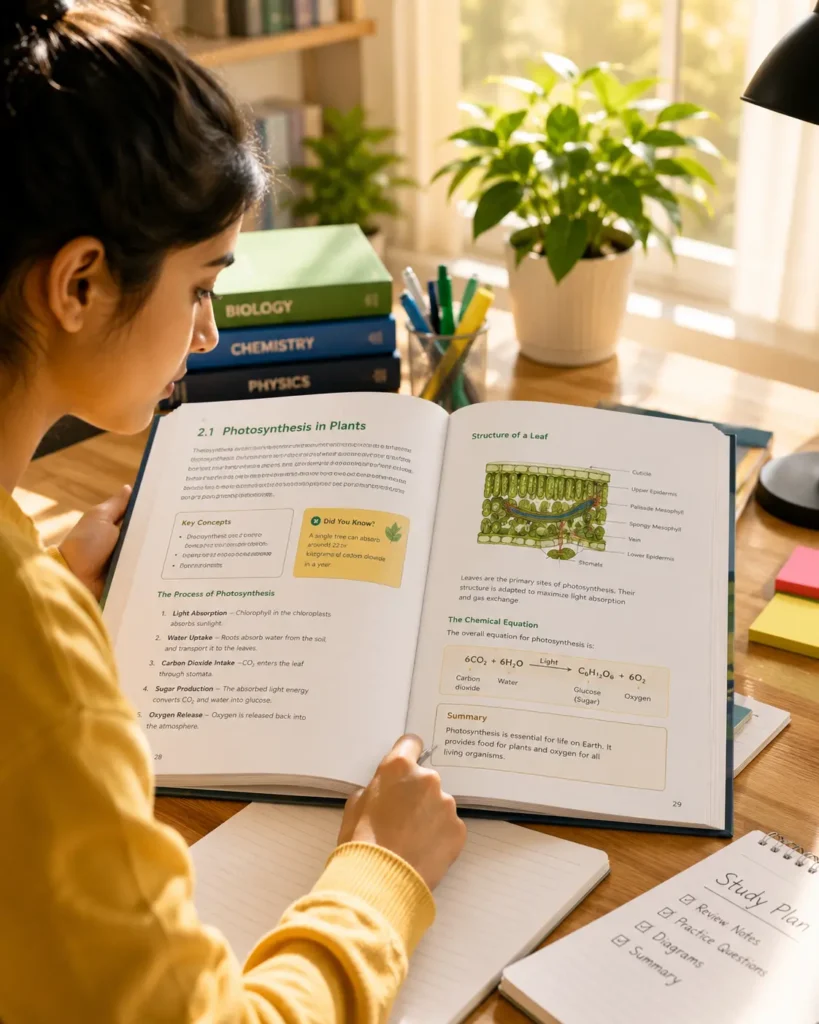
Professional typesetting ensures that visual elements appear close to the relevant content, helping students connect explanations with supporting illustrations more effectively.

Educational Content Presentation Comparison

Poorly Structured Layout

Professionally Typeset Layout

Crowded pages

Balanced use of space

Inconsistent headings

Clear content hierarchy

Difficult navigation

Easy chapter navigation

Misaligned visuals

Well-integrated diagrams

Formatting variations

Consistent presentation

Higher reading effort

Improved readability

Reducing Cognitive Load

Students have limited attention resources during learning.

When content contains inconsistent formatting, cluttered layouts, or confusing structures, additional mental effort is required simply to process the page.

Professional typesetting helps reduce unnecessary cognitive load by creating predictable and organized layouts.

Benefits include:

  • Faster content recognition
  • Easier information retrieval
  • Improved concentration
  • Reduced learner frustration
  • Better study efficiency

This creates a smoother learning experience across both print and digital formats.

Supporting Accessibility And Inclusive Learning

Modern educational publishing increasingly focuses on accessibility.

Well-structured typesetting can support:

  • Clear reading order
  • Consistent navigation patterns
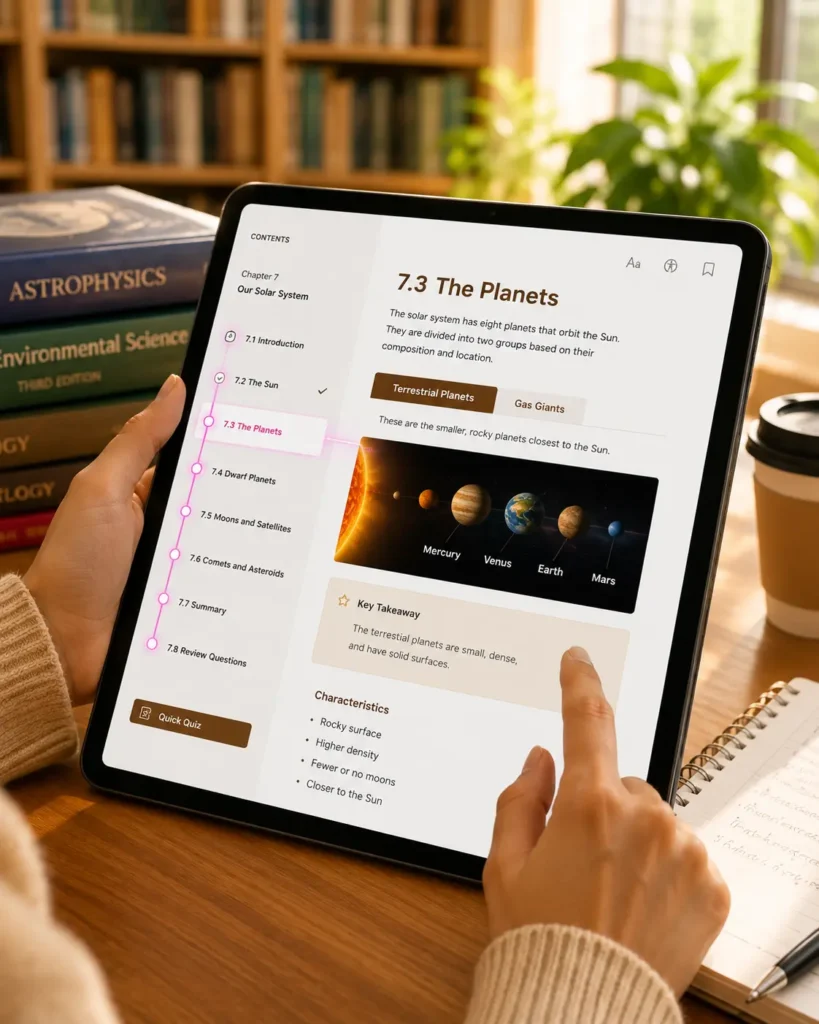
  • Improved screen readability
  • Better digital adaptation
  • More accessible learning experiences

These factors help educational materials reach a broader range of learners with varying needs and preferences.

Building Better Learning Experiences Through Design

Educational success depends on more than accurate content alone. The way information is presented plays a significant role in how students engage with, understand, and remember what they learn. Professional typesetting helps educational publishers create structured, accessible, and learner-focused materials that improve readability, support comprehension, and contribute to stronger learning outcomes across K-12 and higher education environments.

FAQ

Professional typesetting is the process of organizing educational content into structured, readable layouts that support learning and publication requirements.

Typesetting influences readability, navigation, content comprehension, and the overall learning experience

Visual hierarchy helps students identify key concepts, understand content structure, and move through learning materials more efficiently

Yes. Organized layouts, consistent formatting, and effective visual presentation help students review and retain information more effectively.

Textbooks, workbooks, assessment materials, digital learning resources, STEM publications, and instructor guides all benefit from professional typesetting.
