Using Adobe InDesign for K-12 Educational Content Production

Building Learning Materials for an Entire School Journey

Developing educational content for K-12 learners presents unique challenges that differ from many other publishing projects. A single curriculum program may span multiple grade levels, subjects, teacher resources, student workbooks, assessments, and supplementary learning materials. Each component must support educational objectives while maintaining a consistent learning experience for students and educators.

For publishers, the challenge is not simply creating content. It is managing large volumes of material that need to be organized, updated, reviewed, and published efficiently across an entire academic program.

This is why structured production workflows have become an essential part of modern K-12 educational publishing.

The Complexity of K-12 Publishing Projects

Consider a publisher developing a complete science curriculum for Grades 1 through 12.

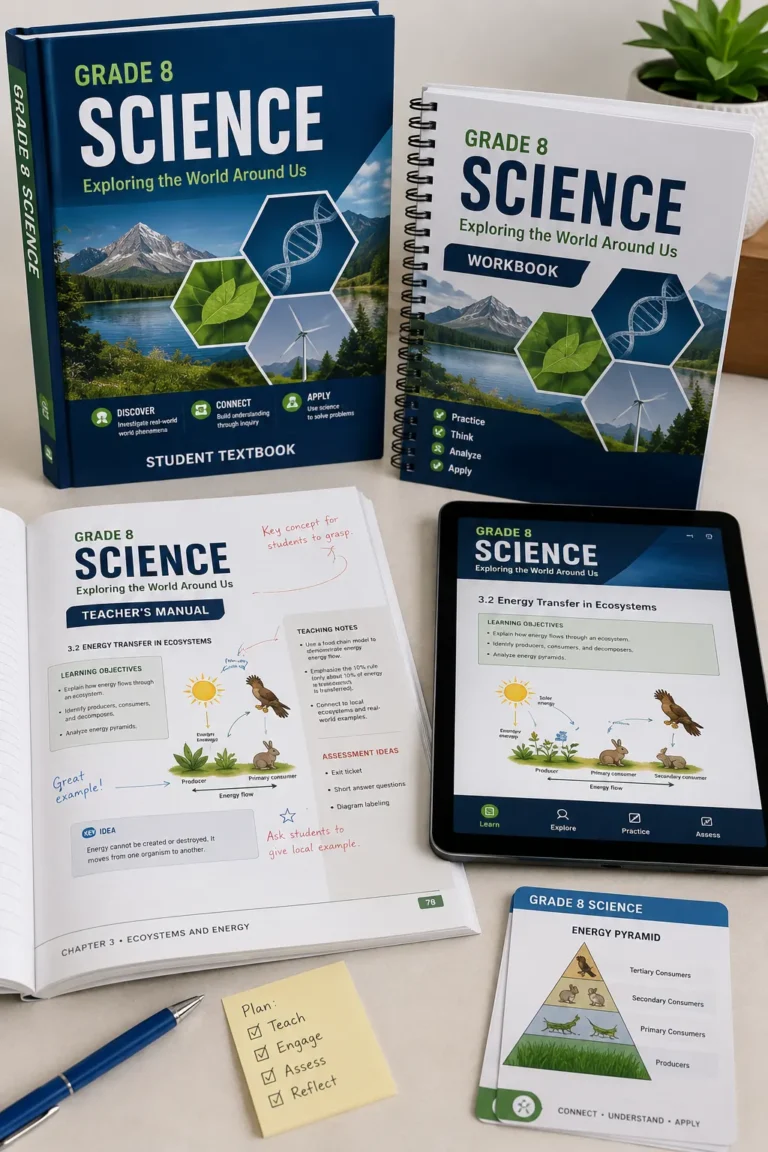
The project may include:

  • Student textbooks
  • Activity books
  • Teacher editions
  • Assessment resources
  • Laboratory guides
  • Visual learning materials
  • Digital learning companions

Although each resource serves a different purpose, all materials must follow the same curriculum framework and maintain a consistent visual identity.

As projects expand across multiple grades, maintaining that consistency becomes increasingly important.

Why Standardization Matters in K-12 Content

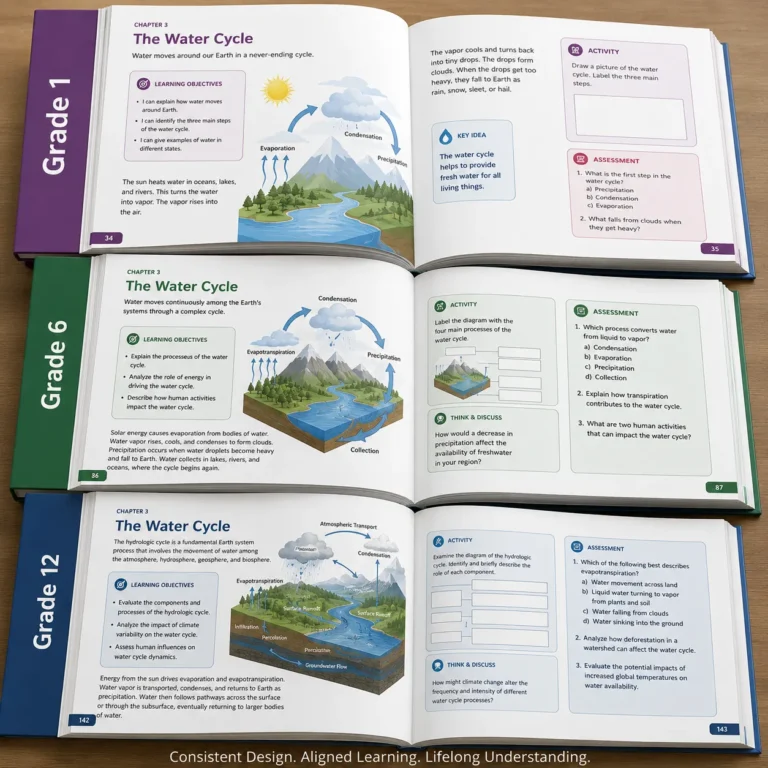
Students progress through educational programs over several years. Familiar layouts, learning structures, and visual elements help create continuity across grade levels.

For example, learners benefit when:

  • Chapter structures remain familiar
  • Activity sections follow a consistent format
  • Assessment layouts are predictable
  • Learning objectives are presented uniformly
  • Visual design standards remain consistent

A standardized production approach helps publishers maintain these elements across large content portfolios.

Managing Frequent Curriculum Updates

K-12 educational content is rarely static.

Publishers often need to respond to:

  • Curriculum revisions
  • Educational policy changes
  • Updated learning standards
  • New assessment requirements
  • Content corrections and enhancements

When a program consists of thousands of pages across multiple products, implementing updates efficiently becomes a significant production challenge.

Structured publishing workflows help teams manage revisions while reducing the risk of inconsistencies between related resources.

Supporting Multiple Content Types

Unlike many publishing sectors, K-12 projects often combine various content formats within the same program.

A single lesson may include:

  • Explanatory text
  • Diagrams and illustrations
  • Practice exercises
  • Review questions
  • Classroom activities
  • Assessment sections

Production teams need workflows capable of handling these diverse elements while preserving educational clarity and visual organization

A Typical K-12 Publishing Scenario

Imagine a publisher preparing a Grade 8 mathematics program.

The project includes a student textbook, workbook, teacher guide, assessment package, and digital learning resources. Each product shares the same instructional framework but requires different layouts and supporting materials.

Rather than developing every publication independently, the production team works from a structured system that helps maintain consistency across all resources. This approach simplifies content updates, improves collaboration, and supports more efficient project management.

Supporting Print and Digital Learning Resources

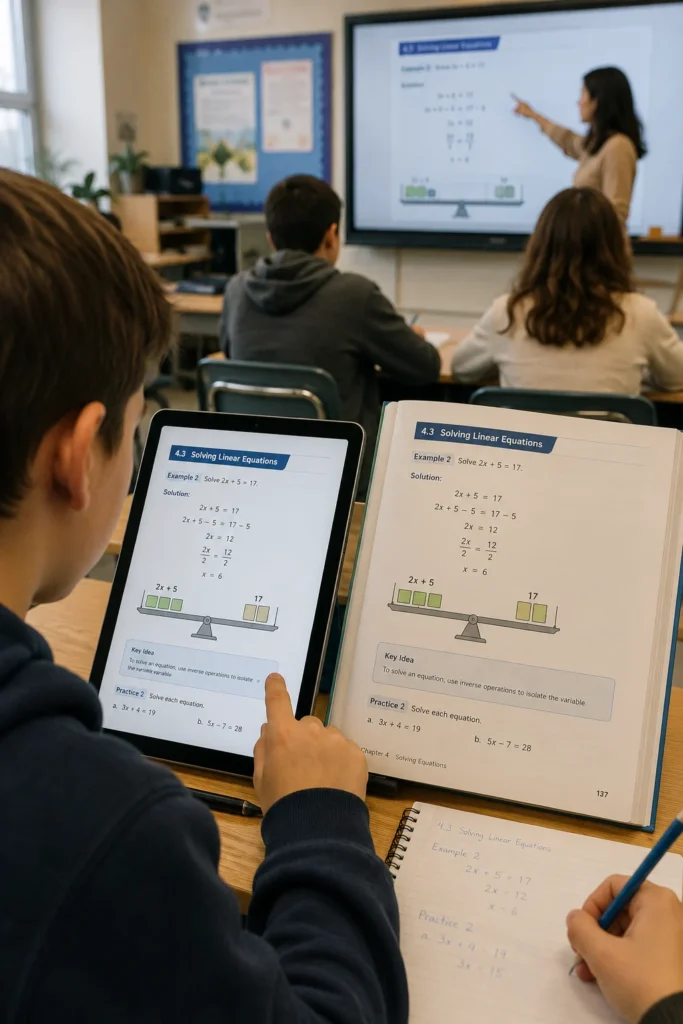
Today’s schools use a combination of print and digital materials.

Some students rely on traditional textbooks, while others access learning resources through tablets, computers, or learning platforms.

As a result, publishers often need to prepare content for multiple delivery formats while ensuring that the educational experience remains consistent.

A centralized production workflow makes it easier to manage these parallel requirements without duplicating effort.

Why Educational Publishers Continue to Use InDesign

Many K-12 publishers use InDesign as part of their content production process because it supports:

  • Large document management
  • Template-driven workflows
  • Consistent page structures
  • Efficient revision cycles
  • Multi-format publishing requirements
  • Collaborative production environments

These capabilities help organizations manage complex educational programs more effectively.

Supporting Scalable K-12 Educational Publishing

Producing K-12 learning materials requires careful coordination between curriculum specialists, editors, designers, and production teams. As educational programs continue to expand across multiple grades and formats, publishers need workflows that support consistency, efficiency, and long-term scalability. By helping manage large educational projects and structured production processes, InDesign remains an important tool in modern K-12 educational content development.

FAQ

K-12 projects often involve multiple grade levels, curriculum standards, assessments, teacher resources, and student materials that must remain aligned across an entire educational program

Consistent layouts, learning structures, and visual elements help create a familiar learning experience for students and educators

Yes. Educational publishers frequently adapt the same instructional content for multiple delivery formats while maintaining consistency

InDesign supports large-scale educational publishing workflows by helping teams organize content, manage layouts, and prepare learning materials for publication.