How Accurate Engineering Documentation Helps Avoid Costly Manufacturing Errors

Small Documentation Mistakes Can Create Major Production Problems

Manufacturing environments rely heavily on technical instructions. Every assembly sequence, machine specification, wiring diagram, maintenance guide, and process sheet influences production accuracy on the factory floor.

The repercussions of engineering documents with ambiguous formatting, out-of-date modifications, or inaccurate technical references can soon become costly.

Manufacturing errors linked to poor documentation often result in:

  • Material waste
  • Production downtime
  • Incorrect assembly
  • Safety concerns
  • Delayed deliveries
  • Rework costs
  • Quality failures

Accurate engineering documentation helps manufacturers reduce these risks before they affect operations.

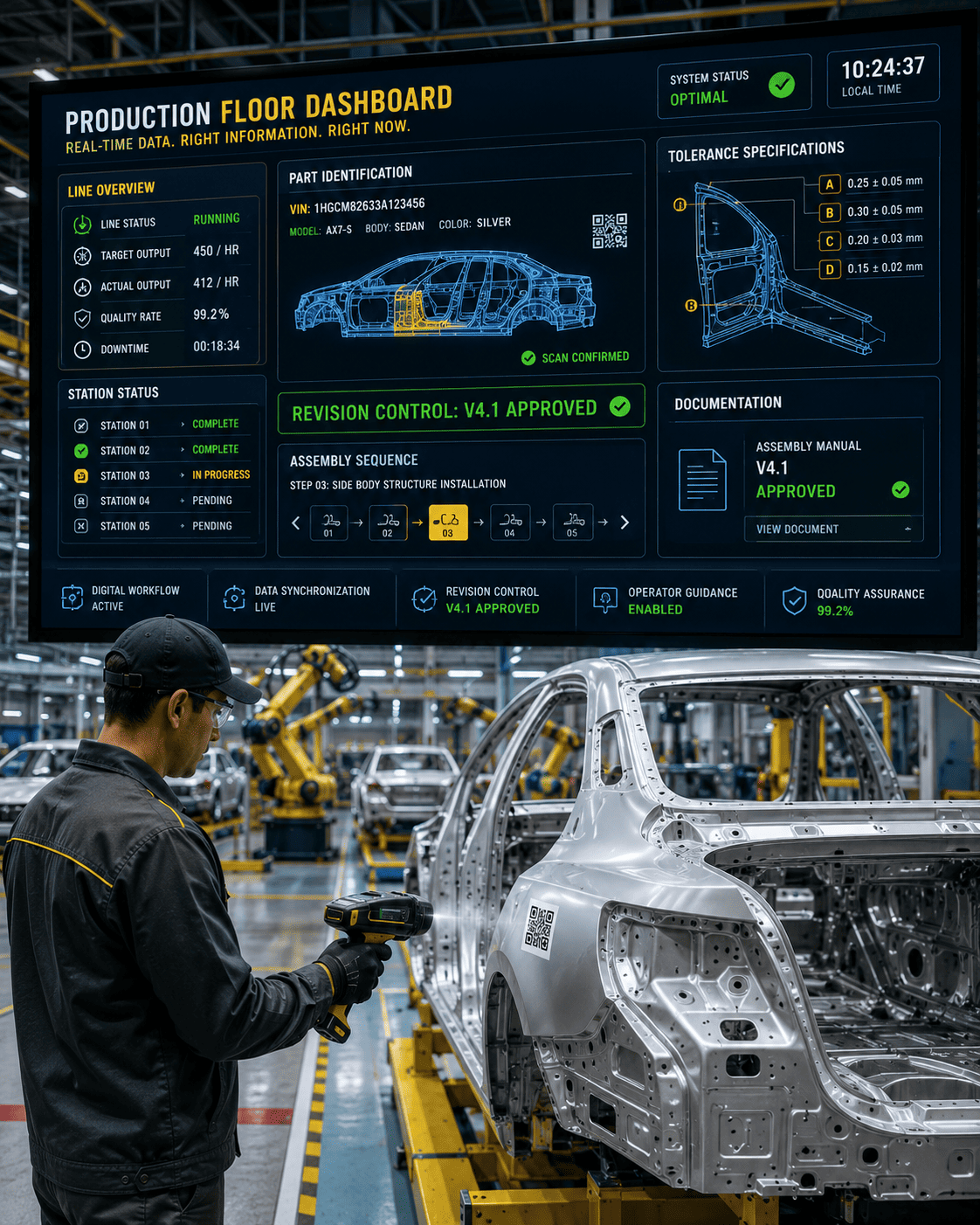
accurate engineering documentation manufacturing errors prevention

Manufacturing Teams Depend on Clear Technical Communication

Production facilities involve multiple departments working simultaneously.

Design engineers, machine operators, quality inspectors, maintenance teams, and suppliers all depend on the same technical information.

There are communication gaps between teams when documentation are inconsistent or challenging to understand.

Well-structured engineering documentation improves:

  • Process clarity
  • Instruction accuracy
  • Technical readability
  • Department coordination
  • Operational consistency

This creates smoother manufacturing workflows across the entire production cycle.

Revision Control Prevents Outdated Information from Reaching Production

Outdated documentation is one of the most frequent reasons for production errors.

An older drawing version or incorrect specification sheet can lead to:

  • Incorrect dimensions
  • Component mismatch
  • Failed inspections
  • Production delays

Accurate documentation systems maintain strict revision control to ensure teams always access the latest approved information.

Modern engineering publishing workflows help manufacturers:

  • Track revisions clearly
  • Synchronize updates instantly
  • Reduce duplicate document versions
  • Improve approval visibility

This minimizes costly production confusion.

accurate engineering documentation manufacturing errors prevention

Technical Drawings Must Remain Precise and Readable

Engineering drawings contain critical production details.

Even minor formatting problems can affect interpretation of:

  • Measurements
  • Tolerances
  • Material specifications
  • Assembly sequences
  • Safety instructions
  • Component labeling

Diagrams are kept aesthetically pleasing, scalable, and simple to understand in both print and digital platforms thanks to professional engineering documentation.

Clear technical layouts reduce operator interpretation errors during manufacturing processes.

Enhanced Production Consistency through Standardised Documentation

Several production lines are frequently managed concurrently in large industrial operations.

In the absence of common document structures, teams could run into:

  • Unreliable layouts
  • Various labelling techniques
  • Tables that are not aligned
  • Work instructions that are unclear


All technical materials are uniform thanks to standardised engineering documentation.

This enhances:

  • Training for employees
  • Repeatability of the process
  • Efficiency of inspection

Particularly in sectors with stringent quality standards, consistency is crucial

Accurate Documentation Supports Quality Assurance

Quality control teams rely on technical documents to validate production accuracy.

Poorly formatted or incomplete documentation can slow inspections and increase the risk of overlooked defects.

Well-organized engineering documents help quality teams:

  • Verify specifications quickly
  • Compare revisions accurately
  • Access technical references efficiently
  • Maintain audit consistency

This supports stronger manufacturing quality systems overall.

accurate engineering documentation manufacturing errors prevention

Digital Documentation Reduces Operational Delays

Digital technical publication systems are being used more and more in manufacturing operations.

Engineering documents are now commonly accessed through:

  • Factory dashboards
  • Cloud repositories
  • Mobile tablets
  • Smart maintenance systems
  • Digital workstations

Professionally structured digital documentation improves:

  • Searchability
  • Accessibility
  • Real-time updates
  • Cross-location collaboration

Faster access to accurate information reduces operational downtime significantly.

Multilingual Documentation Helps Global Manufacturing Teams

Global manufacturers often operate across multiple regions.

Technical instructions may need translation for:

  • Operators
  • Service teams
  • Suppliers
  • International production facilities

Poor multilingual formatting can create dangerous misunderstandings.

Accurate engineering documentation maintains:

  • Consistent diagrams
  • Clear symbol placement
  • Structured translations
  • Readable layouts across languages

This improves communication accuracy in international manufacturing environments.

accurate engineering documentation manufacturing errors prevention

Industries Where Documentation Accuracy Is Critical

Aerospace Manufacturing

Strict safety and compliance requirements are supported by precise documentation.

Automotive Production

Vehicle assembly systems depend on synchronized technical instructions and specifications.

Industrial Equipment Manufacturing

Complex machinery production requires detailed technical diagrams and process documentation.

Electronics Manufacturing

Small documentation inconsistencies can affect component placement and testing accuracy.

Energy and Infrastructure

Engineering reports and operational procedures must remain highly controlled and revision-sensitive.

Accurate Documentation Protects More Than Production Costs

Reliable engineering documentation supports:

  • Safer manufacturing environments
  • Faster troubleshooting
  • Better operational control
  • Reduced rework
  • Improved compliance readiness
  • Higher production reliability

Well-maintained technical publishing systems help manufacturers prevent avoidable disruptions before they occur.

A Manufacturing Asset Is Engineering Documentation

Many companies prioritise machinery, automation, and industrial technologies while undervaluing the importance of technical communication.

However, accurate engineering documentation directly influences manufacturing efficiency, product quality, and operational stability.

From revision-controlled drawings to digitally accessible technical manuals, structured documentation systems help manufacturers reduce costly errors while improving consistency across modern production environments.

FAQ

Most frequent questions and answers

It provides the technical instructions, specifications, and process information required for accurate production operations.

Rework, production delays, material waste, inspection failures, and improper assembly procedures can all result from errors.

Revision control ensures that teams constantly use the most recent permitted technical data and monitors document updates.

Standardised layouts make industrial processes more consistent, easier to interpret, and less confusing

Yes. Digital systems improve document accessibility, real-time updates, and operational coordination across teams.

Aerospace, automotive, industrial manufacturing, electronics, infrastructure, and energy sectors rely heavily on documentation accuracy.